Your Living Room Has a Stalker, and You Bought It on Sale
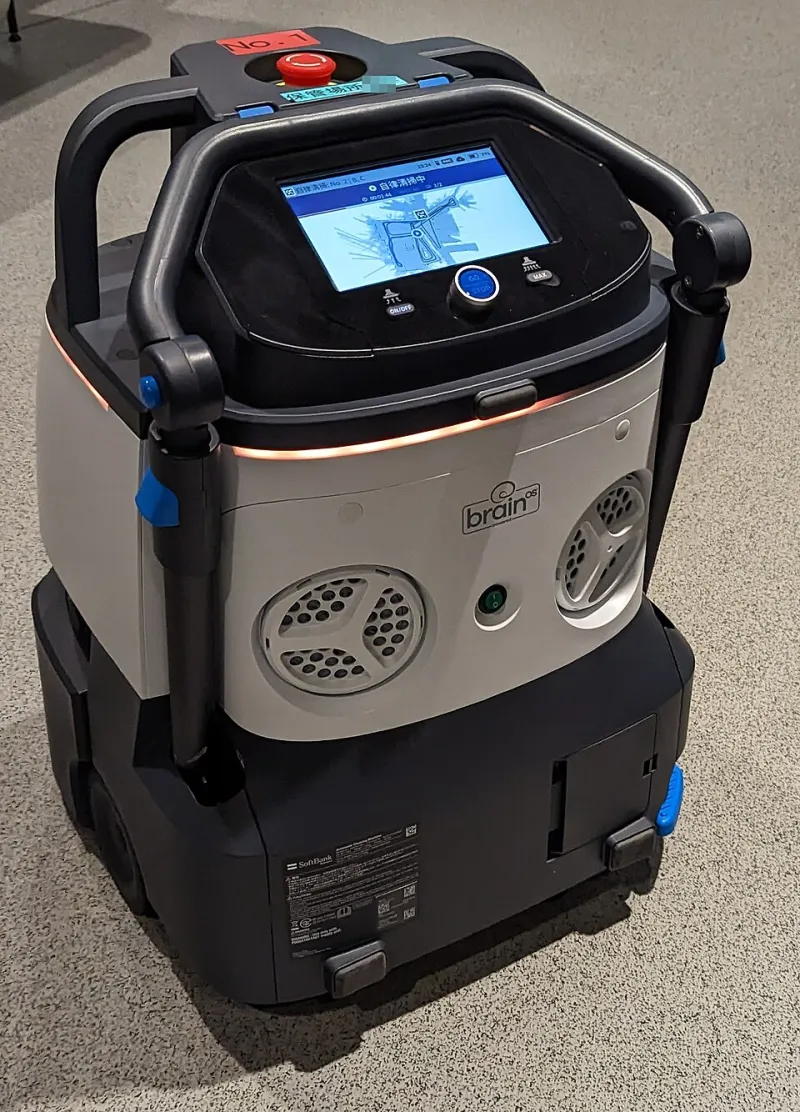
Photo: Syced, CC0, via Wikimedia Commons
Let's be honest about the deal we've all made. You bought a robot vacuum so you'd stop finding Cheerios under the couch, and a video doorbell so package thieves would think twice. Nobody sat you down and explained that in exchange, you'd be handing these devices a detailed architectural survey of your home — and in some cases, letting them share it.
I'm not here to tell you to throw the Roomba in a lake. The convenience is real. But there's a difference between owning a smart device and being owned by one, and right now a lot of American households are on the wrong side of that line.
What Your Devices Actually Know
Start with the vacuum. Modern robot vacuums use lidar and cameras to build a floor plan — every wall, doorway, and piece of furniture — rendered in the companion app. That map is genuinely useful. It's also genuinely a document. In 2022, MIT researchers found images captured by robot vacuums running test software in real homes had ended up on the open internet, labeled and viewable by crowdsourced workers. The manufacturer called the test version an anomaly. Your comfort level with that explanation is your own business.
Video doorbells know when you leave, when you come home, and who visits — and several brands have faced scrutiny for sharing footage or data with law enforcement and third parties. Smart speakers log voice commands, and those recordings have famously been reviewed by human contractors. None of this is a conspiracy. It's the business model: the hardware is cheap because the data is valuable.
The Settings That Actually Matter
You don't have to go full off-grid. A handful of settings changes buys you most of the privacy back:
Kill the cloud map where possible. Some vacuums let you store the floor plan locally on the device instead of syncing it to the company's servers. Dig into the app's privacy or data settings — look for anything mentioning "cloud," "sync," or "map sharing" and flip it off.
Opt out of the review program. Every major smart speaker and doorbell has a setting about helping "improve" the service — which is corporate for "letting employees listen to your audio." Amazon, Google, and Apple all offer opt-outs. Take them.
Delete your history on a schedule. Voice recordings, video clips, and map data pile up. Set a monthly calendar reminder to purge them. Alexa and Google Home both support auto-delete after three months — turn that on and forget about it.
Check the sharing tab on your doorbell. If your doorbell app has any option about neighborhood sharing or community alerts, read what it actually does. Some share motion events; a few have shared footage. Decide deliberately.
Placement Is a Privacy Feature
Here's the low-tech part nobody talks about: where you put these things matters as much as any setting.
- Point the doorbell at your porch, not the street or the neighbor's yard. In some states, recording audio of conversations you're not part of is flatly illegal — and your HOA will thank you for not filming the whole block.
- Keep speakers out of bedrooms and home offices. The kitchen and living room give you the utility (timers, music, weather) with less exposure.
- Don't give the vacuum a reason to map rooms you don't want mapped. Most models let you set no-go zones. Use them for the bedroom, the home office, anywhere with sensitive paperwork.
The Guest Rule
One more thing, and it's the one people forget: your devices don't just capture you. They capture your dinner guests, your babysitter, the plumber. Before anyone comes over, consider whether that doorbell camera's audio is rolling during a porch conversation, and whether your speaker should be muted. A little courtesy here keeps you on the right side of both the law and your friendships.
Convenience Without the Blueprint
The smart home doesn't have to be a surveillance state with good lighting. The devices do their jobs fine with cloud sync off, history auto-deleting, and cameras pointed at what actually matters — your porch, not the whole neighborhood.
You paid for these gadgets. Make sure you're the only one who gets the full tour of your house.