That 'Service Required' Light Is a Sales Pitch: DIY Car Tech Fixes You Can Do in Your Driveway
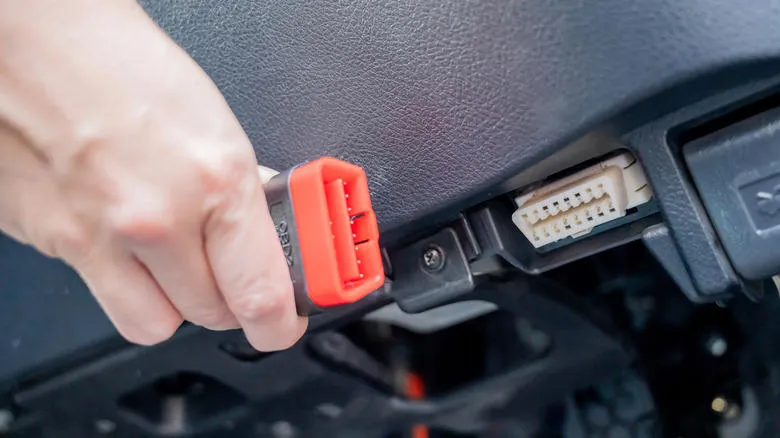
Photo: person plugging OBD-II diagnostic scanner into car dashboard port, via img-s-msn-com.akamaized.net
Your car flashed a warning light, and your first thought was probably the same as every American driver's: how much is this going to cost? If the answer involves a service appointment, a loaner car, and a line item that just says "diagnostic fee — $150," pump the brakes. A surprising amount of modern car tech trouble is fixable in your driveway with tools that cost less than a tank of gas.
This isn't about rebuilding your transmission. It's about the digital stuff — the codes, sensors, and software — that dealerships bill for like it's brain surgery.
First, Buy the $20 Gadget That Levels the Playing Field
Every car sold in the US since 1996 has an OBD-II port. It's usually under the dash on the driver's side, sometimes behind a little plastic cover. Plug in a cheap Bluetooth OBD-II reader — basic ones run $15 to $25 on Amazon — and pair it with a free app like Torque or Car Scanner.
That check-engine light? It's just a code, like P0455, and the app will tell you exactly what it means. Half the time it's something mundane: a loose gas cap, a sensor that hiccuped, an emissions reading that drifted out of range. You can clear the code yourself and see if it comes back.
A word of caution: clearing a code doesn't fix the problem. If the light returns in a day or two, the issue is real. But now you walk into a shop knowing the actual code — which makes it a lot harder for anyone to upsell you a "fuel system cleaning" you don't need.
The Tire Pressure Light That Won't Quit
Here's one that drives people absolutely nuts: you fill your tires to the exact PSI on the door sticker, and the warning light stays on for days.
Most cars have a TPMS reset procedure, and it's usually embarrassingly simple. Common versions include:
- The drive-it-off method: Many GM and Ford vehicles recalibrate automatically after 10 minutes of driving above 50 mph.
- The button method: Lots of Toyotas and Hondas have a TPMS reset button under the steering wheel — hold it until the light blinks twice, then drive.
- The key-cycle method: Some vehicles just need the ignition turned on and off three times without starting the engine.
Check your owner's manual (or a 30-second YouTube search for your exact model) and you'll likely skip a "TPMS relearn service" that runs $40 to $80 at a shop.
Infotainment Updates: Free Software, Sold as a Service
Your car's touchscreen runs software, and that software gets updates — bug fixes, new features, CarPlay compatibility improvements. Dealerships will happily install these for you at a healthy markup, but most manufacturers offer the same update as a free download.
Go to your manufacturer's owner portal (Ford, Toyota, GM, Hyundai, and most others all have one), enter your VIN, and download the update file to a USB drive. Plug it into the car, navigate to the settings menu, and let it install. Total cost: zero. Total time: about 20 minutes, most of which is the install running while you eat lunch.
One rule: never turn the car off mid-update. Bricking your infotainment system is the one way to turn a free fix into an expensive one.
When to Actually Pay the Professional
Being honest about limits is part of the deal. Call in the pros when:
- The check-engine code involves the engine itself — misfires, timing, anything with the word "catalytic" in it.
- A TPMS sensor is actually dead. The battery inside those sensors lasts about a decade; when one dies, replacing it means breaking the tire bead, which is shop territory.
- A firmware update fails halfway. Some brands lock certain modules behind dealer-only software. Annoying, but true.
- There's any safety system involved — airbags, ABS, brake electronics. This is not the place for DIY experimentation.
The Bottom Line
Modern cars are computers with wheels, and like any computer, half their "problems" are just software being weird. A $20 reader, your owner's manual, and a healthy skepticism about service desk quotes will save you real money — and more importantly, they'll save you from that sinking feeling when the service advisor says "we'll just take a look" and you know what happens next.
Fix what's fixable. Pay for what's not. And never again pay a diagnostic fee to learn something a gas-station gadget could've told you for free.