Scan First, Ask Questions Later: What You're Really Signing Up For at the Restaurant Table
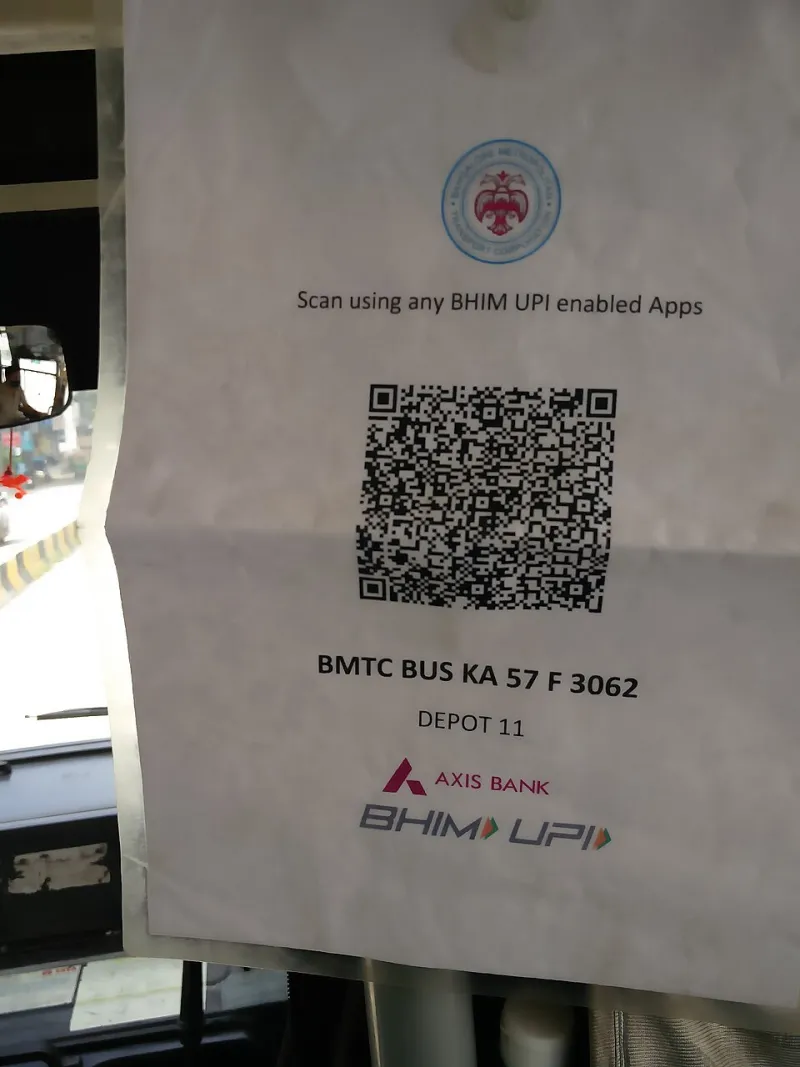
Photo: Mallikarjunasj, CC0, via Wikimedia Commons
You sit down at a diner in Tulsa, wipe the syrup off the little card, point your camera at a pixelated square, and boom — you're reading the brunch menu. Ten seconds, zero human interaction. It feels harmless.
But here's the thing: that QR code is doing a lot more than showing you the $18 avocado toast. It's an open door, and almost nobody checks who's walking through it with them.
What Actually Happens When You Scan
A QR code is just a shortcut for text — usually a web address. Your camera app reads it and hands the link to your browser. That's it. So the real question is: where does that link go?
Sometimes it's a plain menu page. Sometimes it's a restaurant's ordering platform that quietly logs your device type, rough location, and how long you lingered on each dish. Some of those pages are loaded with tracking pixels — tiny invisible images that report your visit back to advertising companies. You didn't sign up for anything, but you just became a data point.
And occasionally? The link goes somewhere you absolutely don't want to go. Fake parking meters, spoofed payment pages, and QR-based phishing (security folks call it "quishing") have exploded across the US — stickers slapped over legitimate codes on parking kiosks, gas pumps, and transit stops from Austin to Chicago.
The Everyday QR Gauntlet
Think about how many of these you scan in a week:
- Restaurant menus and table-side payment
- Parking meters and garage pay stations
- Church bulletins and event flyers
- Venmo and Zelle payment requests
- Concert tickets and boarding passes
- Those "scan to follow us!" signs at the coffee shop
Most are fine. But the pattern matters: every scan is you trusting that whoever printed that square sent you somewhere safe. On a printed menu, that's usually a safe bet. On a sticker someone could've slapped over a parking kiosk screen at 2 a.m.? Less so.
Your 20-Second Vetting Checklist
You don't need to become a security analyst. Just run through this before you tap:
-
Preview the URL. Both iPhone and Android show the web address after scanning, before you open it. Read it. "thelocaldiner-dot-com" is fine. "thelocaldiner-menu-verify-dot-info" is not.
-
Check the sticker situation. Is the QR code a sticker placed on top of something printed? Peel it back (or just look at the edges). Legit codes at parking meters and gas stations are usually printed on the machine itself.
-
Look for the padlock, not the guarantee. A site with HTTPS is encrypted, but scammers get HTTPS certificates too. It's a floor, not a ceiling.
-
Never pay through a QR you didn't initiate. If a code asks for a card number or a Zelle transfer before you've even seen the menu, walk away and ask a human.
-
Skip the sketchy app installs. If scanning a code prompts you to download an unknown app to "continue," that's a hard no.
When the Menu Link Goes Nowhere
Here's the flip side of the QR revolution: half the time the thing doesn't even work. Expired domain, dead link, a PDF the size of a small novel that won't load on spotty Wi-Fi. When the menu link leads nowhere:
- Try refreshing once, then check whether you're on the restaurant's Wi-Fi — some networks block the page until you log in.
- Search the restaurant's name plus "menu" — most places have the same info on their own site or Google.
- Just ask. Seriously. A server with a paper menu is the original contactless technology, and it never expires.
If a business's QR code is permanently broken, mention it. The owner probably has no idea the free QR generator they used in 2021 shut down.
The Bottom Line
QR codes aren't evil — they're just dumb. They deliver whatever link was baked into them, no judgment attached. Treat them like you'd treat a stranger handing you a flyer: glance at it, make sure it's legit, and don't hand over your wallet on the spot.
Scan with your eyes open, and that brunch menu stays a menu — not a data leak.